
SD NAND Mass Production Programming Solution
IC Programming Solution for High-Capacity SD NAND Flash Memory Chips
Introduction to SD NAND Memory Chips
SD NAND (also known as SMD TF Card or SD Flash) is a NAND flash-based storage device and an extension of traditional memory cards. Designed for surface-mount technology (SMT), it features a built-in high-performance flash memory controller and is fully compatible with the SD protocol.
As a memory chip, SD NAND comes in a compact LGA-8 package. This small footprint brings significant convenience to embedded system designs. It is widely used in automotive electronics, medical devices, video surveillance, data acquisition equipment, wearable devices, premium toys, and music players.
Mass Production Programming Methods for SD NAND
Creating an SD NAND Programming Master Image
Customers typically need to program a file system into an SD NAND memory chip. Taking FAT32 as an example, the steps to create a programming master image are as follows:
Step 1: Connect the SD NAND to a Windows PC via USB using an SD NAND card reader (available on e-commerce platforms). The PC will recognize the SD NAND as a USB flash drive. Format the drive to the FAT32 file system.
Step 2: Copy the target files to the USB flash drive.
By completing the two steps above, the SD NAND programming master image is successfully created.
Creating an SD NAND Programming Project
Place the master chip onto Station 1 of the programmer adapter socket. Verify that the programmer is properly connected to the PC, and then launch the programming software. Follow the steps below to create an SD NAND programming project:
Step 1: Select the chip. Search for and select the corresponding SD NAND chip model in the programming software. Taking "CMSD32GAYEGR" as an example, please refer to Figure 2-1:
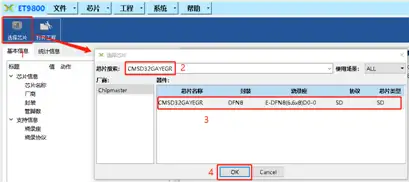
Figure 2-1: Illustration of the Chip Selection Steps
Step 2. Perform Master Chip Analysis. In the pop-up dialog for Master Chip Analysis, click the "OK" button with the default settings, as shown in Figure 2-2.
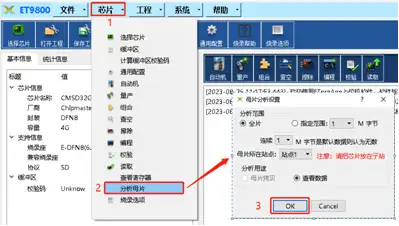
Figure 2-2: Illustration of the Master Image Analysis Steps
Please wait patiently for the master image analysis to complete. The completed analysis is shown in the figure below:
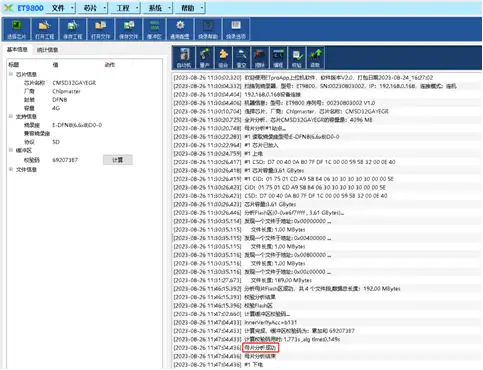
Figure 2-3: Illustration of the Completed Master Image Analysis
Step 3: Save the analyzed master image data as a programming project, as shown in the figure below:
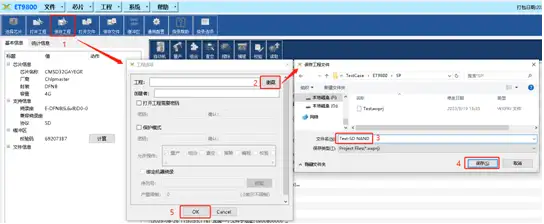
Figure 2-4. Save Programming Project
Manual Mass Production Programming Steps for SD NAND
Step 1: Open the programming project that was saved after completing the Master Chip Analysis.
Step 2: Enter the Combination interface to perform combination operations. The combination includes Erase, Program, and Verify, as shown in Figure 2-5.
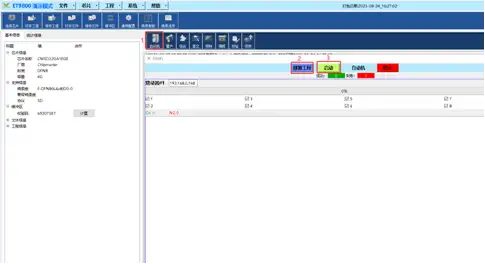
Figure 2-5. Illustration of Combination Operations
Automated Mass Production Programming Steps
Step 1: Open the programming project saved after completing the Master Chip Analysis.
Step 2: Enter the Automated Machine interface, click "Deploy and Start," and wait for the startup to complete. You can then proceed with automated mass production programming, as shown in Figure 2-6.
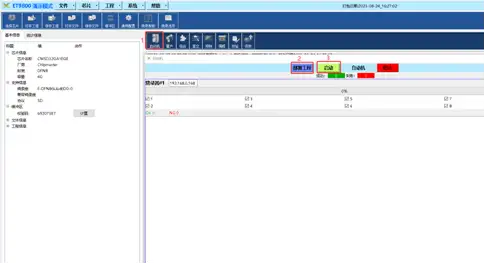
Figure 2-6. Illustration of Automated Machine Interface Operations
Introduction to the ET9800 Programmer
The ET9800 is a high-speed, mass-production programmer that supports both online and offline programming. Developed by Wuhan Wuxin Technology Co., Ltd., it is built upon years of programming expertise and industry practice, and is innovatively designed to align with the user experience habits of both domestic and international markets. It supports the programming of various chip types and packages from major manufacturers, including MCU, FPGA, CPLD, eMMC, SD NAND, SPI Nor/Nand Flash, Parallel Nor/Nand Flash, EEPROM, and DSP.
The ET9800 can be paired with offline programming adapter sockets to form a complete, universal offline programming tool. Each adapter socket supports two channels. A single ET9800 can be equipped with up to four adapter sockets, enabling simultaneous programming of up to 8 chips. Furthermore, automated programming machines can integrate up to four ET9800 programmers to support 32 stations, effectively meeting the demands of high-volume mass production.