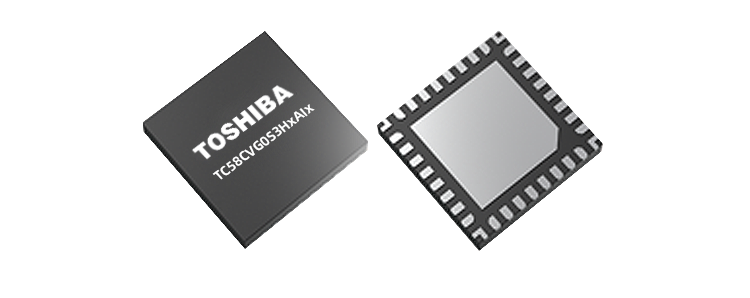
What are LGA, PGA, and BGA packaging types?
Here is the English translation of the text you provided:
What is CPU Packaging?
The physical structure of a CPU consists of a silicon wafer, a PCB (Printed Circuit Board), and other components such as capacitors.
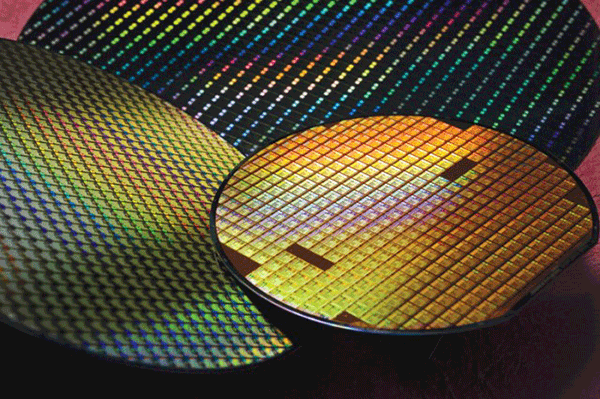
The Silicon Wafer
The reason wafers are round is primarily due to manufacturing processes, ease of cutting, and maximizing material utilization. The small square cut from the wafer is what forms the CPU die (Note: The original text refers to this as a "wafer," but technically it is the "die").
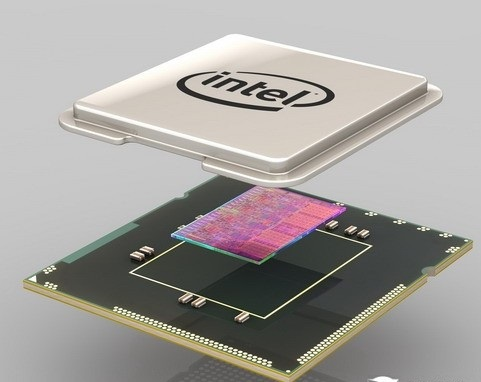
▲ The physical composition of a CPU. After the die is cut from the wafer and connected to the PCB, with or without a protective cover, it becomes a complete CPU.
However! A CPU cannot function on its own. It needs to be connected to a motherboard. This method of connecting to the motherboard is called "packaging." (A bit convoluted, but I believe you understand.)
There are three main types of packaging: LGA, PGA, and BGA.
LGA (Land Grid Array):
LGA stands for "Land Grid Array."
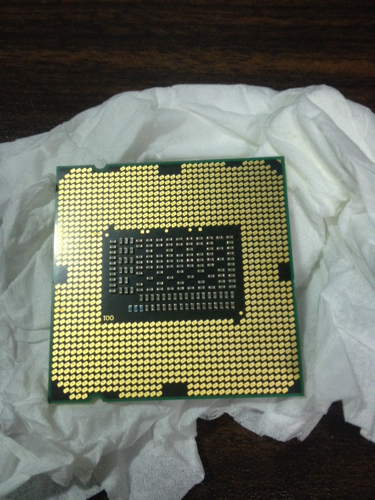
▲ Most Intel CPUs we commonly see today use this packaging method.
Examples include:
All Intel desktop processors since the 775 era.
AMD Opteron, EPYC, and Threadripper (TR) processors.
The characteristic of this packaging is that the contact points are located on the CPU's PCB. The back of the entire CPU is covered with these contacts in a grid pattern. To connect the motherboard to the CPU, the motherboard provides the pins. Therefore, you will notice that for LGA-packaged CPUs, the pins are always on the motherboard. Because of this pin design, LGA motherboard sockets are relatively fragile. If the motherboard pins are damaged, it is highly likely that the entire motherboard will be rendered unusable.
PGA (Pin Grid Array):
PGA stands for "Pin Grid Array."
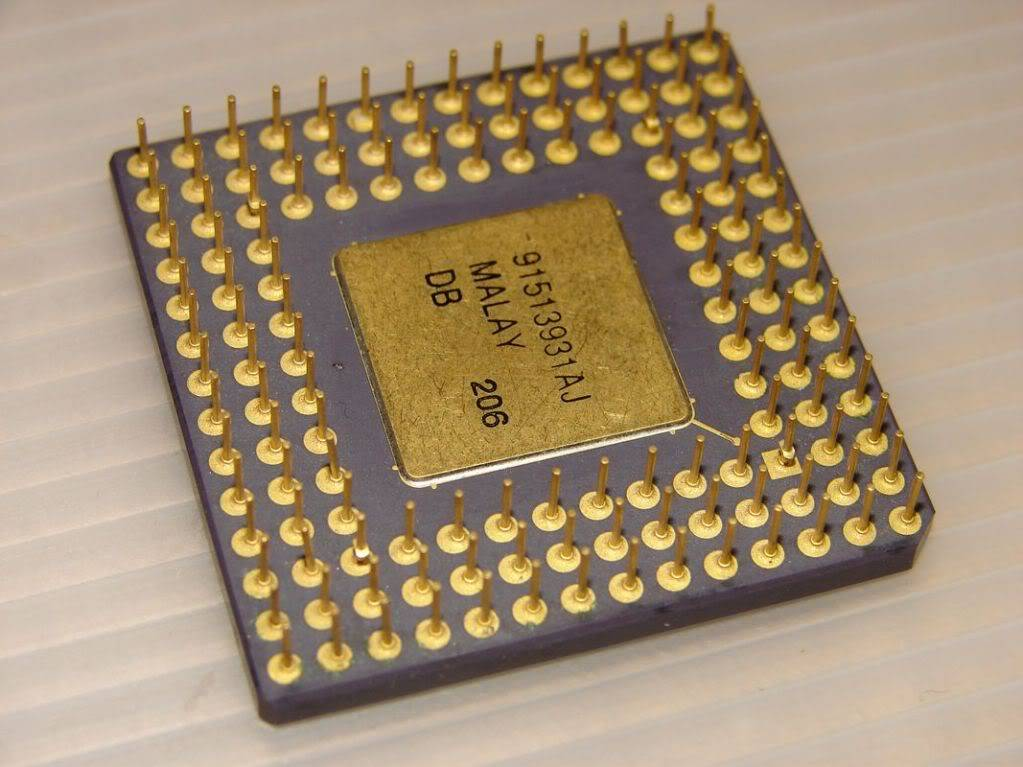
▲ PGA packaging method.
Examples include:
Most Intel desktop processors prior to the 775 era.
Almost all AMD consumer desktop processors.
Most Intel mobile processors ending with "M" or "MQ".
Opposite to LGA, PGA concentrates the pins directly on the CPU's PCB. You will see a bunch of pins on the CPU itself, while the motherboard only needs to provide holes for these pins to plug into. Because PGA pins are designed to be moved and inserted multiple times, they have higher strength compared to LGA. Even if they get bent, they can often be recovered using relatively simple methods. In terms of physical protection, PGA is significantly better than LGA.
BGA (Ball Grid Array):
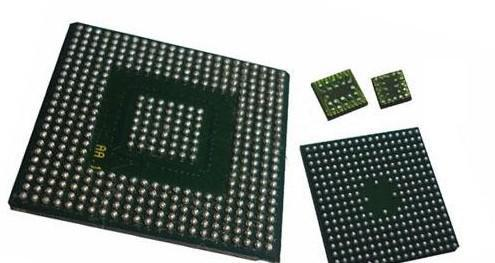
BGA stands for "Ball Grid Array."
▲ BGA packaging method.
Examples include:
All Intel processors ending with "H", "HQ", "U", "Y", including but not limited to low-voltage processors.
AMD low-voltage mobile processors.
All smartphone processors.
BGA can be considered an extreme evolution of LGA and PGA. Unlike LGA and PGA, which allow for easy swapping, once a BGA component is packaged, it cannot be disassembled or replaced by normal users without specialized professional equipment. However, because it is manufactured as a single integrated unit, BGA can be made much thinner and smaller in volume.
Comparison of the Three Packaging Methods:
Strictly speaking, each has its own pros and cons; there is no absolute "best."
LGA: Compared to PGA, it has a smaller footprint. Compared to BGA, it allows for replacement. However, it requires stricter operational care during installation to avoid mistakes.
PGA: It has the largest volume among the three, but it is convenient to replace and has a low margin of error during installation.
BGA: It has the smallest volume of the three, but its replaceability is practically zero. Due to the packaging process, if the contacts are misaligned or fail to bond properly during manufacturing, the unit will likely be scrapped. Therefore, its yield rate is lower compared to LGA and PGA.
Undoubtedly, LGA and PGA are the primary driving forces behind the development of the DIY enthusiast community. However, with the advancement of processors, especially in the mobile sector, Intel gradually phased out PGA-packaged mobile processors after its 4th generation, switching to BGA. This move undoubtedly dealt a heavy blow to future laptop DIY enthusiasts. A BGA processor is highly likely to be scrapped along with the motherboard if it fails, which is essentially a massive waste for "tech scavengers" who love repurposing old hardware.
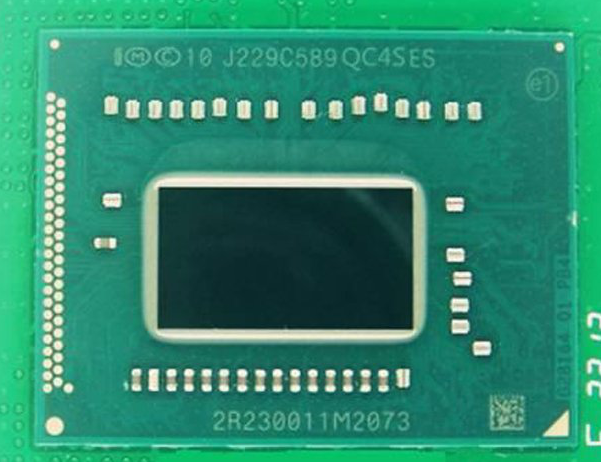
On the other hand, when it comes down to it, these three packaging methods are merely ways for the CPU to interface with the motherboard. Precisely because it is just an interface method, a BGA CPU can be transformed into a PGA CPU by using a simple PGA PCB adapter.
The emergence of this practice undoubtedly means that BGA processors can shine once again in the DIY market. As early as the 2nd and 3rd generation Intel Core processors, BGA-to-PGA adapters utilizing PCBs appeared on the market. These adapters greatly enriched the DIY CPU market.